
How Much Does a Basement Conversion Cost?
A basement conversion costs between £7,000 for a smaller cellar converted to dry, usable storage and £35,000 to £40,000 or more for a larger space converted to a full, habitable living area with heating, ventilation, plumbing and electrics. The final figure depends on four key things: head height, intended use, how wet the space is, and the size and complexity of the build.
If you have a basement or cellar that is currently doing nothing more than housing a few old boxes and a defunct boiler, you are sitting on one of the most valuable untapped spaces in your home. Here is everything you need to know before you pick up the phone.
The Four Things That Drive the Cost
Before anyone can give you a realistic figure, four key questions need to be answered.
1. What is the head height? This is the single biggest factor in determining cost. If your basement already has adequate ceiling height, the job is significantly more straightforward. If the floor needs to be lowered and dug out to create a usable space, that is a major additional piece of work involving excavation, underpinning and a new floor formation. You will also lose some of that hard-won height again at the end, because the membrane system, insulation and floor screed will raise the floor level, and the wall membrane, insulation and plasterboard will reduce the ceiling height too. It is essential to understand the final head height before committing to a project.
2. How will it be used? A dry storage space is a very different project from a living area. If you want a utility room or laundry space, you need plumbing. If you want a bedroom, bathroom or habitable living space, you need heating, ventilation and electrical installation to a higher standard. Decide how you want to use the space before the survey, not after. Converting a storage space later into a bedroom means going back in and installing all the infrastructure that should have been there from the start. Plan for your end goal from day one.
3. How wet is it? Is your basement simply damp with no live water present, or does it flood? A basement that floods regularly or sits in a high water table area requires a more robust and complex waterproofing system than one that is just moisture-affected. The wetter the space, the more work is involved in managing that water safely and permanently.
4. How big is the space and how complex is the build? Size is straightforward. More floor area means more products, more labour and more cost. But complexity matters too. Arched brick ceilings, multiple openings and unusual layouts all add time and skill to the installation.
See an example of a case study for a cellar we designed and installed a waterproofing solution in a public house in Medway.
Tanking vs Cavity Drain Membrane: Which System Is Right?
There are two main approaches to waterproofing a basement, and it is worth understanding the difference before you accept any specification.
Tanking involves applying a thick waterproof slurry directly to the walls and floor to hold moisture out of the room entirely. It is a traditional approach, and in the right circumstances it works well. However, over time we have seen tanking fail. If the slurry is damaged or deteriorates or the hydrostatic water pressure is too great, moisture finds its way through and the barrier is compromised. Properties near busy roads can sometimes experience increased ground moisture movement around foundations over time, particularly on softer ground, which is worth factoring into any assessment.
Cavity drain membrane systems take a different approach entirely. Rather than trying to hold water out, the membrane allows moisture to come in and then channels it via drainage systems to a sump pump, which removes the water from the building to a drain or soakaway. This is the system we install in the vast majority of our projects because we have seen it perform reliably over the long term in a way that tanking sometimes does not.
The process involves installing drainage channels around the perimeter of the floor, which feed into a sump chamber where the pump sits. Membranes are fixed to the walls and floor, insulated dry lining and boarding are installed, and the pump system is tested rigorously before handover. We flood the sumps repeatedly during commissioning to verify the pump and the backup pump are both working correctly.
What Does It Actually Cost?
To give you a realistic ballpark from our own experience of projects across Kent, South East London and East Sussex:
A smaller cellar converted to a clean, dry usable storage space starts from around £7,000.
A larger basement converted to a full habitable living space with heating, ventilation, electrics, plumbing and a quality finish can reach £35,000 to £40,000 or more depending on size and complexity.
These figures reflect the waterproofing and fit-out element of the work. If significant excavation is required to lower the floor level, that will add considerably to the overall budget.
According to Savills, a basement conversion can add between 10% and 15% to the value of a typical UK home, with higher quality conversions in sought-after areas pushing that closer to 20%.
What Happens If It Goes Wrong?
We are regularly called out to properties where a previous basement waterproofing system has failed. The damp has returned, the finish is ruined and the homeowner is understandably frustrated.
Our strong advice in that situation is always to go back to the original installer first. They will know exactly what products and systems were used, where the drainage channels run and how the system was designed. We would not be able to patch or repair another company’s work and still stand behind it with a guarantee. If we are to get involved, the entire system would need to come out and be reinstalled from scratch so that we can guarantee the works fully. That is an expensive lesson.
This is why choosing the right company from the outset matters so much.
The Questions to Ask Before You Commit
Is the surveyor CSSW qualified? CSSW stands for Certified Surveyor in Structural Waterproofing. It is a demanding qualification that requires significant study and examination to achieve. It is the benchmark for anyone specifying a waterproofing system in a below ground structure. Dean holds this qualification, and it is one of the reasons we are trusted by homeowners and developers across the South East. If the person quoting for your basement does not hold this qualification, that is a significant concern.
Is the company a member of the PCA and BSWA? The Property Care Association and the British Structural Waterproofing Association both audit their members, check technical reports and hold companies to professional standards. Membership of both, as we hold, demonstrates a serious commitment to doing the job correctly.
Is the work guaranteed, and is that guarantee insurance backed? Your basement waterproofing should come with a long-term guarantee and that guarantee should be backed by an insurance policy. If the company ceases trading, your cover remains in place. Without that, you have very little protection.
What happens to the soil and rubble? If excavation is involved, a significant amount of material has to come out of the basement. Depending on the access available, this may have to come through the house. Make sure you understand how this will be managed and that waste removal is included in the specification.
Do You Need Planning Permission?
Every local authority is different and we would always recommend speaking to your council before starting any basement conversion project. Building control has been involved in many of our projects, checking that works meet the relevant British Standards. It is always better to have that conversation early rather than discover a problem once work has started.
The Process From Start to Finish
We want to be upfront with you: basement work is messy. Here is what to expect.
-
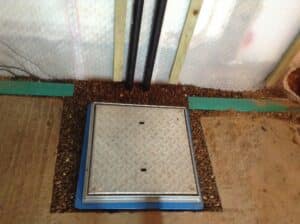
- Sump Pump Chamber

-
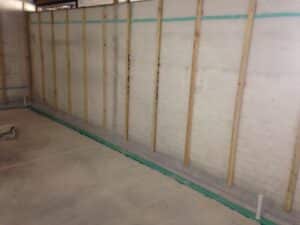
- Air Gap Membrane system

-
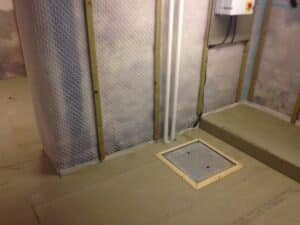
- Sump pump in place.

-
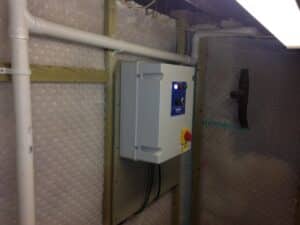
- Pump Control Set Up

-
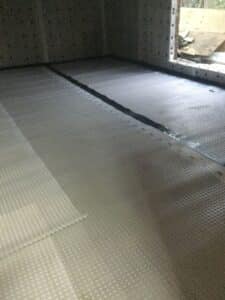
- Floor membrane installed.

The space will be stripped back to bare brick. If the floor is being lowered, excavation begins, and all the spoil has to be removed, either directly to a skip outside or through the property if there is no other access. Drainage channels are then cut into the floor perimeter and a sump chamber is formed. Electrics are introduced at the first fix stage. It is worth noting that all electrical work in a basement conversion must comply with Part P of the Building Regulations, which covers electrical safety in dwellings. This means the work needs to be carried out by a qualified electrician and either self-certified or inspected and approved by your local building control authority before completion. Then the membrane system is installed to walls and floor, battens and insulation follow, and then plasterboard, second fix electrics and any plumbing or heating are completed. The sump and pump system are thoroughly tested before we leave the site.
Every job is different. A straightforward cellar conversion will take considerably less time than a full dig-out basement with structural works, so the timescale really depends on what your property needs.
Is It Worth It?
In our experience, yes. A properly waterproofed and well-finished basement adds genuine, lasting value to a property. It gives you usable space without sacrificing your garden, without the cost of moving and without the uncertainty of extending upwards where planning permission can be harder to achieve.
The key is to plan for what you actually want the space to become, not just what is convenient right now. Get the infrastructure right from the start and you will have a space that works for you for decades.
If you would like an honest assessment of what your basement or cellar could become, we would be happy to help.
Call us: 01732 884535 Web: www.timberanddamp.co.uk Book a Survey Online: https://timberanddamp.co.uk/request-a-survey/
South East Timber & Damp have been helping homeowners and businesses across Kent, South East London and East Sussex since 2005. Dean Webster holds the CSSW qualification. We are PCA members, Which? Trusted Traders, TrustMark registered and all work is backed by the GPI insurance backed guarantee scheme. Surveys from £114.