
Timber decay can be a homeowner’s nightmare, causing both structural damage and visual discolouration in wooden features within your property. And the first question we are always asked is, how to treat wet rot effectively.
Under the right conditions, it can affect any property, but we’ve seen it in many historic properties we support across Kent.
One of the most common forms of wood rot is wet rot, which thrives in persistently damp environments and can quickly undermine the structural integrity of your timber.
So we have put together a guide that walks you through everything you need to know about how to treat wet rot in Kent: what it is, the challenges it presents, and the steps you can take to fix and prevent it effectively.
By the end, you’ll understand why addressing wet rot swiftly and professionally is critical to protecting your property.
What is Wet Rot?
So, what is wet rot? Not to be overly technical, wet rot is a type of fungal decay that affects wood when it’s exposed to high moisture levels for a long time.
Unlike dry rot, which spreads aggressively, wet rot stays localised to the moisture-affected area. However, it can still be severe if left untreated, weakening your timbers and causing lasting damage.
How to Identify Wet Rot
Spotting wet rot early is vital to prevent future costs and further damage. Here’s what to look for:
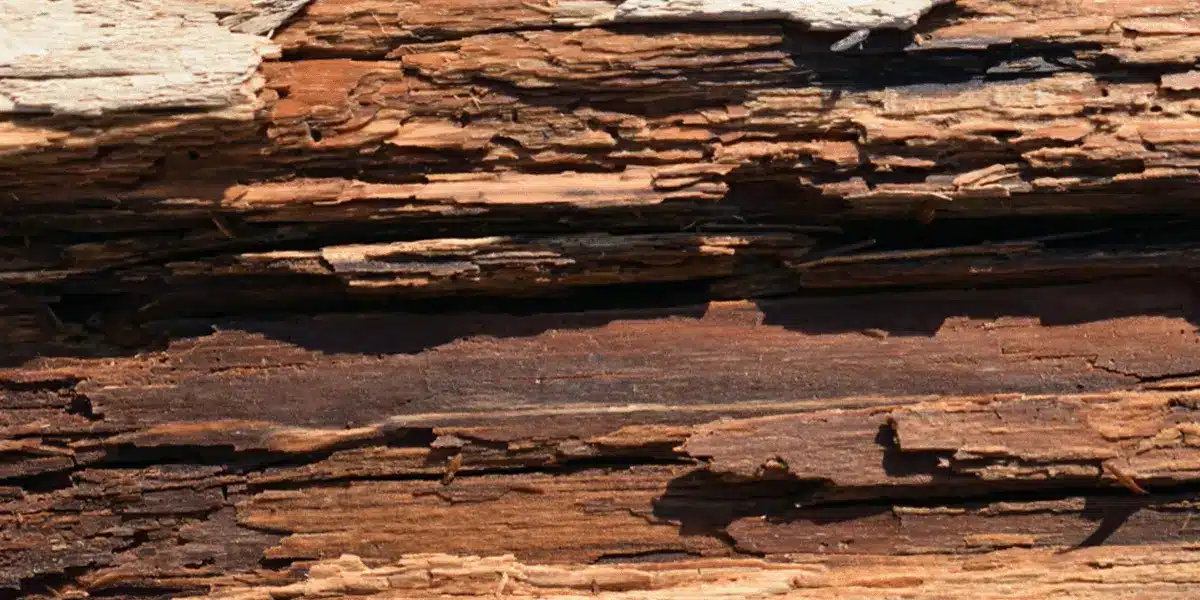
- Softened wood: Wood suffering from wet rot can look spongy, will start to crumble away or distort from its original shape.
- Discolouration: If the wood has wet rot, it may look darker, ranging from brown to black.
- Musty smell: Like other damp effects, wet rot often leaves an earthy odour in affected wood.
- Visible fungus: You might see fungal growth on the surface of your wood.
- Distorted wood: Your timber may shrink, crack, or warp, depending on how long it’s been exposed and how severe the damage is.
The signs of wet rot can appear on window frames, floorboards, beams, or any wooden feature in a property exposed to prolonged dampness.
Take a look at one of the houses we helped with Wet Rot. It was an 1880s terraced property in Whitstable. After a snapshot survey, we were able to provide the right solution.
The Challenges of Wet Rot
Wet rot is more than just a cosmetic issue; it poses a real structural risk to your property. If neglected, this can spiral into costly repairs and larger problems.
- Weakened structural integrity: Any load-bearing beams and joists impacted by wet rot can lose their capacity to carry weight.
- Safety hazards: Worryingly, wet rot can result in collapsing floors, roofs, and unsafe staircases, both long-term and severe.
- Propagated dampness: Wet rot thrives in damp conditions, spreading to neighbouring materials and leading to additional issues like mould growth.
- Decreased property value: Left untreated, wet rot can significantly impact your property’s resale value and appeal, especially if identified during a house sale process.
So, with all that in mind, you can see it is crucial to take action as soon as you notice any signs of wet rot to combat any of these risks.
How To Treat Wet Rot Step by Step
If you find wet rot on your property, it’s essential to address the root cause and have the damage treated professionally. Here’s how our team approaches wet rot treatment.
1. Identify and Resolve the Source of Moisture
First, we find the source of the dampness contributing to the wet rot. This could be a leaky roof, a burst pipe, poor ventilation, rising damp, or a combination of these. Fixing the moisture issue is critical; otherwise, the wet rot will return after treatment.
2. Assess the Damage
Once the moisture issue has been resolved, we perform a detailed inspection of the affected areas to determine the extent of the damage. This includes identifying how much wood is decayed and whether it needs to be replaced or preserved.
3. Remove and Replace Severely Decayed Wood
If the damage is extensive, remove the affected wood and replace it with treated timber to restore safety and integrity. When replacing the wood, using wood treated with fungicides is essential to prevent future fungal growth and protect it from contributory factors.
4. Preserve Surrounding Areas
If some wooden elements can be saved, we apply wood preservatives and fungicides to halt fungal spread. These treatments penetrate the wood and destroy any remaining fungal spores.
5. Improve Ventilation and Insulation
Our team will focus on improving airflow in the surrounding area to prevent future moisture build-up. This could include installing additional ventilation, dehumidifiers or, in rare cases, applying waterproofing measures.
6. Final-Stage Prevention
Finally, we regularly monitor treated areas and advise homeowners to manage moisture levels and protect their property. Ongoing maintenance strategies help keep wet rot from returning.
Check out a handwritten testimonial from a timber repair job in Folkestone.
How to Prevent Wet Rot from Returning
While treating the current issue is essential, prevention is just as important for long-term protection. Here are a few practical tips to keep your home or property rot-free.
- Fix leaks promptly: Repair any damaged roofs, gutters, downpipes, or plumbing systems as soon as you notice them.
- Maintain proper ventilation: Ensure all areas, especially basements, attics, and bathrooms, are well-ventilated to reduce humidity.
- Monitor for condensation: Use dehumidification extraction in areas prone to high moisture levels to minimise dampness.
- Regular inspections: Check for signs of dampness and decay once every few months, particularly in older properties.
- Ensure proper drainage: Keep external drains cleaned and directed away from the property to prevent water pooling around foundations.
By staying proactive, you can avoid the hassle and expense of dealing with wood rot later.
“Fantastic Service from start to finish” – Find out about another timber treatment job we did in Canterbury.
Reassurance in Professional Help
Dealing with wet rot can feel overwhelming, especially when it’s causing visible damage to your property.
The good news. You don’t have to face it alone.
Our team of experts specialises in the professional treatment and prevention of wood rot, delivering an approach that protects your property in the long term.
With years of experience and a proven track record, Dean and his team are here to keep your home safe, dry, and structurally sound.
From initial inspections to completing critical repairs, you can trust us to address the problem with precision and care.
Don’t Wait, Protect Your Property Today
If you’ve spotted the warning signs of wet rot in your home, it’s time to act quickly. Ignoring the issue can lead to costly repairs and even safety hazards.
Contact Dean and the team today for a professional assessment and effective treatment plan tailored to your property’s needs. Together, we’ll ensure a stronger, safer home for years to come.