
Book your survey today!
- All
- Annabelle has her say
- Blog Posts
- News Items
- Technical posts
- Uncategorised
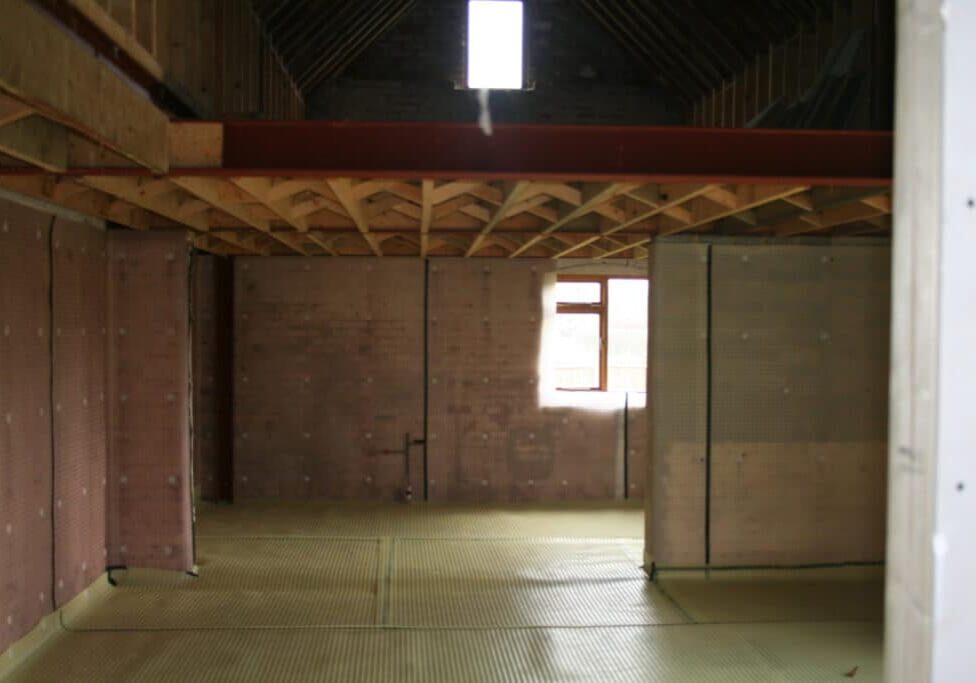
How Much Does a Basement Conversion Cost?
How Much Does a Basement Conversion Cost? A basement conversion costs between £7,000 for a smaller cellar converted to dry, usable storage and £35,000 to £40,000 or more for a larger space converted to a full, habitable living area with heating, ventilation, plumbing and electrics. The final figure depends on four key things: head height,…
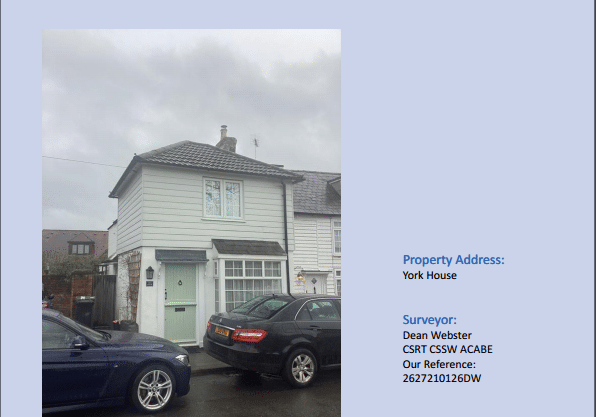
Is My Damp Proofing Quote Too Expensive?
Is My Damp Proofing Quote Too Expensive? A damp proofing quote is too expensive if it specifies work that is not needed, uses the wrong treatment for the problem, or fails to include reinstatement of skirting boards, electrics and plumbing that will need to be removed. It may also be too low if those extras…
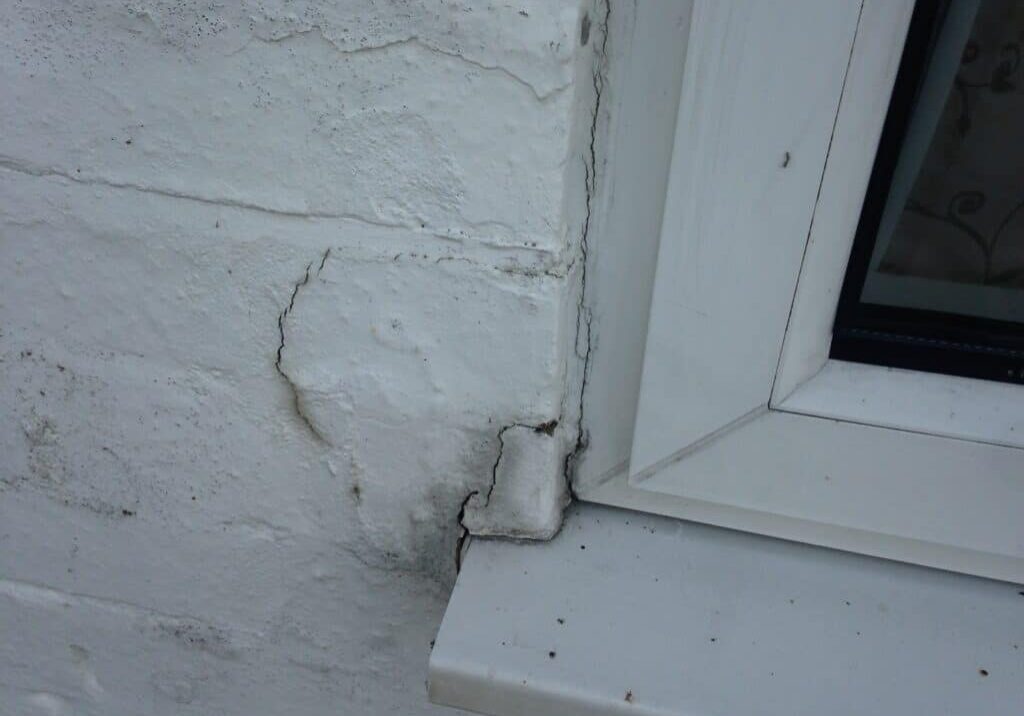
What is the Difference Between Rising Damp and Penetrating Damp?
What is the Difference Between Rising Damp and Penetrating Damp? Rising damp comes up from the ground through the base of a wall via capillary action and can even rise above 1 to 1.2 metres on rare occasions. Penetrating damp comes in horizontally through walls, roofs, windows or doors, usually caused by a defect on…

What is Damp Proofing?
Since starting in this industry, I am often asked, “what is damp proofing?” I have learnt so much from my husband and sector specialist, Dean. Here is my guide to damp proofing.
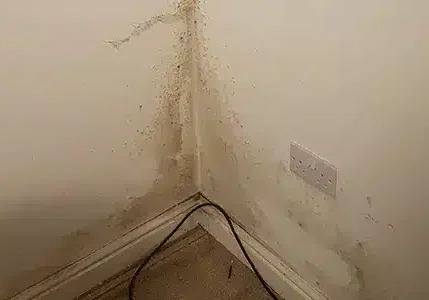
How to spot rising damp
How to spot rising damp You can spot rising damp by looking for a distinct tide mark on the lower section of your walls, usually no higher than 1 to 1.2 metres, along with white powdery salt deposits on the brickwork or plaster, peeling or bubbling wallpaper at the base of walls, deteriorating skirting boards…

How much does damp proofing cost?
Damp proofing can cost much less than you might think. We pride ourselves on our honest approach. We’ll never suggest work that’s not needed. To find out how much damp proofing costs, check out our blog.
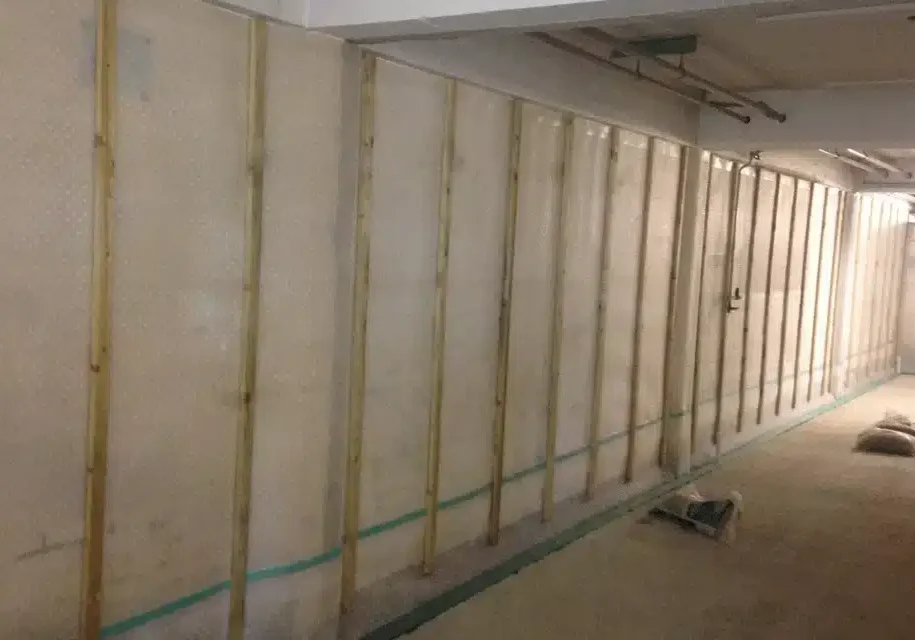
Spring Is the Time to Assess Basement Waterproofing
The moment most people think about their basement is October The heating goes on, the rain returns, and the damp patch they half-noticed in spring has become impossible to ignore. By then, the window for planned, properly specified waterproofing work has largely gone. Spring is when below-ground spaces give themselves away. A wet winter puts…
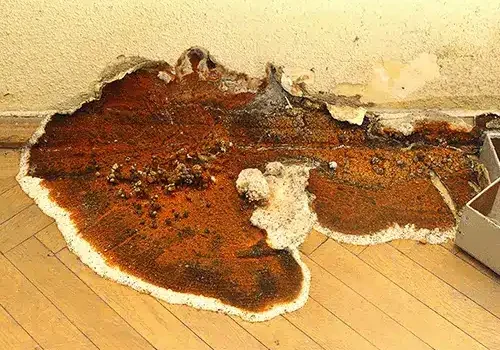
Timber Decay After Winter
Timber decay after winter is most commonly found in ground floor joists, window frames, sub-floor voids, roof timbers and basement structures. It shows as softness underfoot, darkened or discoloured timber, a musty smell, or in the case of dry rot, white cottony strands or cube-like cracking across the grain. The key thing to understand is…
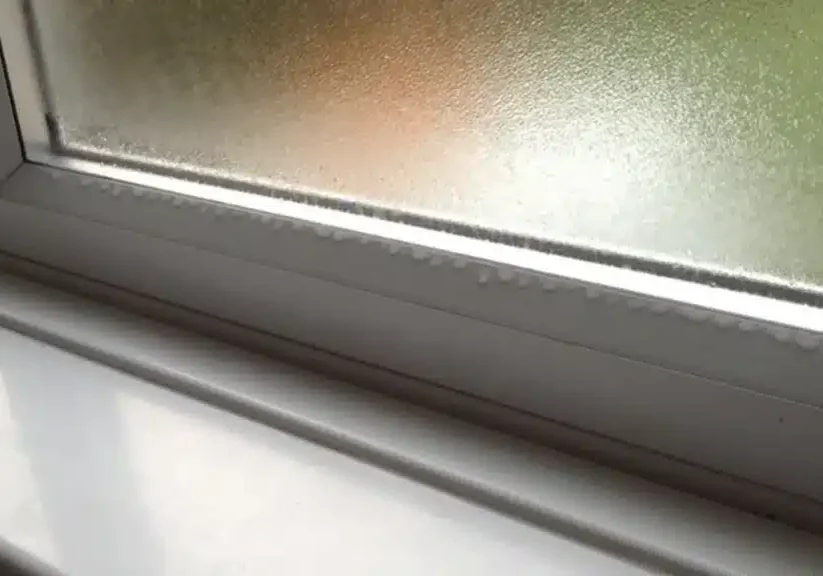
DIY Damp Proofing
For condensation and minor surface moisture, yes. Better ventilation, extractor fans and anti-condensation coatings can make a real difference to everyday moisture problems. But for rising damp or penetrating damp caused by a structural failure, DIY is rarely enough and can sometimes make things worse by masking the problem. If you are not sure what…